
Plumbers
Are blocked drains covered by home insurance? A claims guide
By Local Trades & Business Recommendations · Published
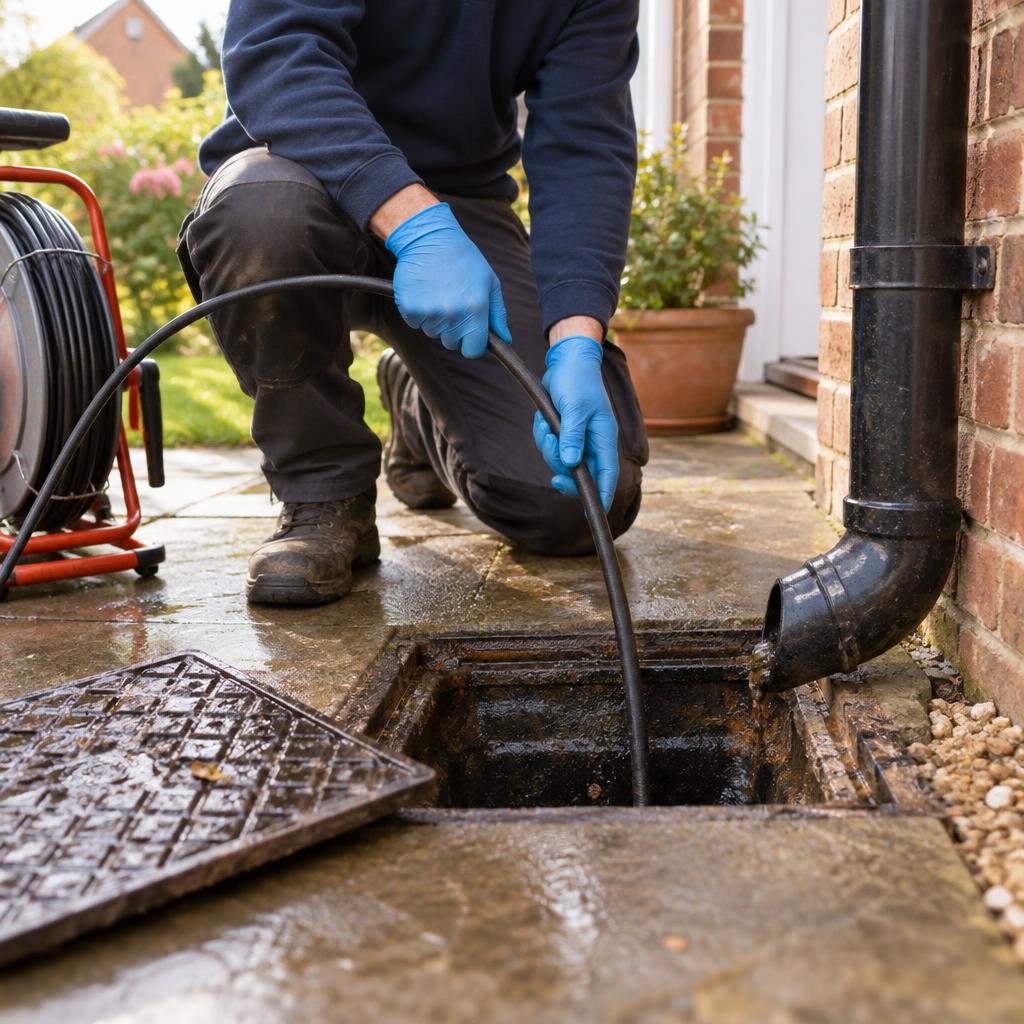
Find out when home insurance may cover blocked drains, what emergency cover includes, and how to document the problem before arranging repairs.
Are blocked drains covered by home insurance? Sometimes, but cover depends on the cause, which pipe is affected and the wording of your policy. A routine blockage may be your responsibility, while damage to an underground drain or damage caused by escaping water may be covered. Check before authorising anything beyond essential emergency action.
What parts of a blocked drain problem might be covered?
Think of a drainage incident as three separate costs: clearing the blockage, repairing the drain and putting right any resulting damage. Your insurer may cover one without covering the others.
Buildings insurance protects the structure of your home and permanent fixtures against the events listed in your policy. Some policies include accidental damage to underground pipes and drains for which you are legally responsible. Others provide narrower cover or require an optional extension.
Contents insurance concerns your belongings rather than the drainage system itself. If wastewater damages furniture or other possessions, there may be a contents claim, depending on the cause and policy exclusions.
Home emergency cover is different again. It may arrange an approved contractor to deal with an urgent blockage or make the situation safe, subject to limits and qualifying conditions. It does not necessarily pay for permanent pipe replacement, cleaning or redecoration.
For example, an insurer might accept damage to flooring caused by an insured escape of water but decline the cost of removing a longstanding grease blockage. Ask for a separate decision on each part of the loss rather than assuming everything receives the same answer.
Which causes are more or less likely to qualify?
The cause matters more than the fact that the drain is blocked. A blocked toilet is a symptom; a contractor’s diagnosis helps establish whether it arose from accumulated material, a damaged pipe or a problem elsewhere in the sewer network.
These situations need different treatment:
- Grease, wipes, hair or other accumulated material: routine clearance is often treated as maintenance rather than an insured repair.
- A cracked, displaced or collapsed underground pipe: potentially covered where the policy includes relevant accidental damage, but the cause and exclusions still matter.
- Tree-root intrusion: cover varies. Evidence should establish whether roots have damaged the pipe, entered through an existing defect or simply obstructed the flow.
- Gradual deterioration or poor installation: commonly excluded, although the insurer should still assess any resulting damage separately.
- Sewer backup or flooding: potentially relevant to escape-of-water or flood cover, depending on the circumstances and policy definitions.
A sudden discovery does not prove that damage happened suddenly. A drain can stop working today because of a defect that developed over years.
Equally, an older pipe is not automatically uninsured. Ask the insurer to identify the relevant policy clause and explain how the evidence supports its decision. Avoid relying on a contractor’s promise that “insurance always pays for this”.
How do you check your policy and who should you contact?
Start with your policy schedule, policy wording and any home emergency booklet. Search for “underground services”, “accidental damage”, “drains”, “escape of water”, “flood”, “trace and access” and “exclusions”.
Trace-and-access cover generally concerns finding the source of an insured escape of water and making good the disturbance. It is not a blanket promise to pay for exploratory drainage work, excavation or repairing the defective pipe itself.
Before booking a contractor, ask the insurer:
- Is emergency drain clearance included, and must you use its appointed contractor?
- Is investigation, including a CCTV survey, covered or subject to prior approval?
- Which excess and claim limits apply to each relevant section?
- Does the policy cover repairing the drain, resulting damage, or both?
- Can you authorise urgent work yourself, and what evidence will be required?
- Is alternative accommodation available if insured damage makes the home uninhabitable?
Also establish whether the affected pipe is your responsibility. In England, shared sewers and many lateral drains serving properties connected to the public sewer are the sewerage company’s responsibility, but exceptions exist. A pipe within your boundary is not necessarily private if it serves other properties.
If neighbours are affected or a shared sewer seems blocked, contact the sewerage company before paying for private excavation. For a Southampton property, check who provides sewerage services to that address rather than assuming it is the same company that supplies drinking water.
In a flat, the freeholder or managing agent may need to involve the block buildings insurer. Tenants should notify their landlord or agent promptly; their own contents insurer may handle damaged belongings.
What should you do before the insurer responds?
Your immediate priorities are safety, limiting damage and preserving evidence. Do not delay sensible emergency action while sewage continues entering your home, but try the insurer’s emergency number first and record your attempts.
- Stop using toilets, sinks, showers and appliances that discharge into the affected drain.
- Keep children and pets away from wastewater and contaminated rooms.
- Photograph the affected areas and visible damage from a safe position.
- Move unaffected belongings out of harm’s way if you can do so without contact with sewage.
- Record when the problem began, which fittings are affected and whether neighbours have similar symptoms.
- Keep receipts for essential emergency work and ask the contractor to describe exactly what was done.
Turning off the mains water will not stop sewage backing up from a public sewer, although it can help prevent further water use inside the property.
Do not enter a drain or manhole, lean into chambers or lift heavy covers yourself. Avoid chemical drain cleaners: they may not solve the underlying problem and can expose the attending contractor to hazardous liquid. Tell the contractor if any product has already been used.
If wastewater is near sockets or electrical equipment, keep clear and seek urgent advice. Do not touch wet switches or appliances. Electrical repairs need an appropriately qualified electrician; notifiable electrical work should be handled by a registered electrician under Part P in England.
What evidence helps a claim, and is claiming worthwhile?
A useful drainage report identifies the affected pipe, its location, the obstruction or defect, the likely cause and the recommended remedy. For CCTV inspections, request the footage and written findings, including distances along the pipe and any limitations caused by standing water or an uncleared blockage.
Ask for an itemised quotation separating clearance, investigation, pipe repair, excavation, reinstatement and contamination cleaning. These may fall under different policy sections, and a single unexplained total makes assessment harder.
Costs depend on access, the depth and length of the damaged pipe, whether excavation is needed, the surfaces requiring reinstatement and the extent of contamination. Get written quotes where practical, but do not postpone necessary emergency action simply to collect several.
Compare the likely covered cost with your excess before deciding whether to claim. A claim may affect future premiums or a no-claims discount. Ask how an enquiry or notification will be recorded, and follow any policy requirement to report an incident even if you do not pursue payment.
If cover is refused, request the decision and reasons in writing. Supply any missing evidence and use the insurer’s complaints procedure if you disagree. Unresolved eligible complaints can be referred to the Financial Ombudsman Service; check its current process and time limits.
When to call a professional
Call a drainage specialist promptly for sewage backing up indoors, several blocked fittings, recurring blockages, suspected pipe collapse or water appearing around drains. Extensive sewage contamination needs professional assessment and cleaning, not just a mop and disinfectant.
Looking for someone local? KJP Plumbing & Heating - Powerflush Specialists is listed in our plumbers directory.
A plumber may be suitable for an isolated internal waste-pipe problem. External drains, underground defects and CCTV investigations often need a drainage contractor with the right equipment. Tell them insurance may be involved and agree the investigation scope and any authorisation requirements before work starts.
Readers can compare local, reviewed businesses on Local Trades & Business Recommendations and request quotes for free. Check that the chosen contractor provides clear findings, itemised costs and supporting evidence, rather than a guarantee that the insurer will pay.