
Cleaners
How long does an end of tenancy clean take? A moving guide
By Local Trades & Business Recommendations · Published
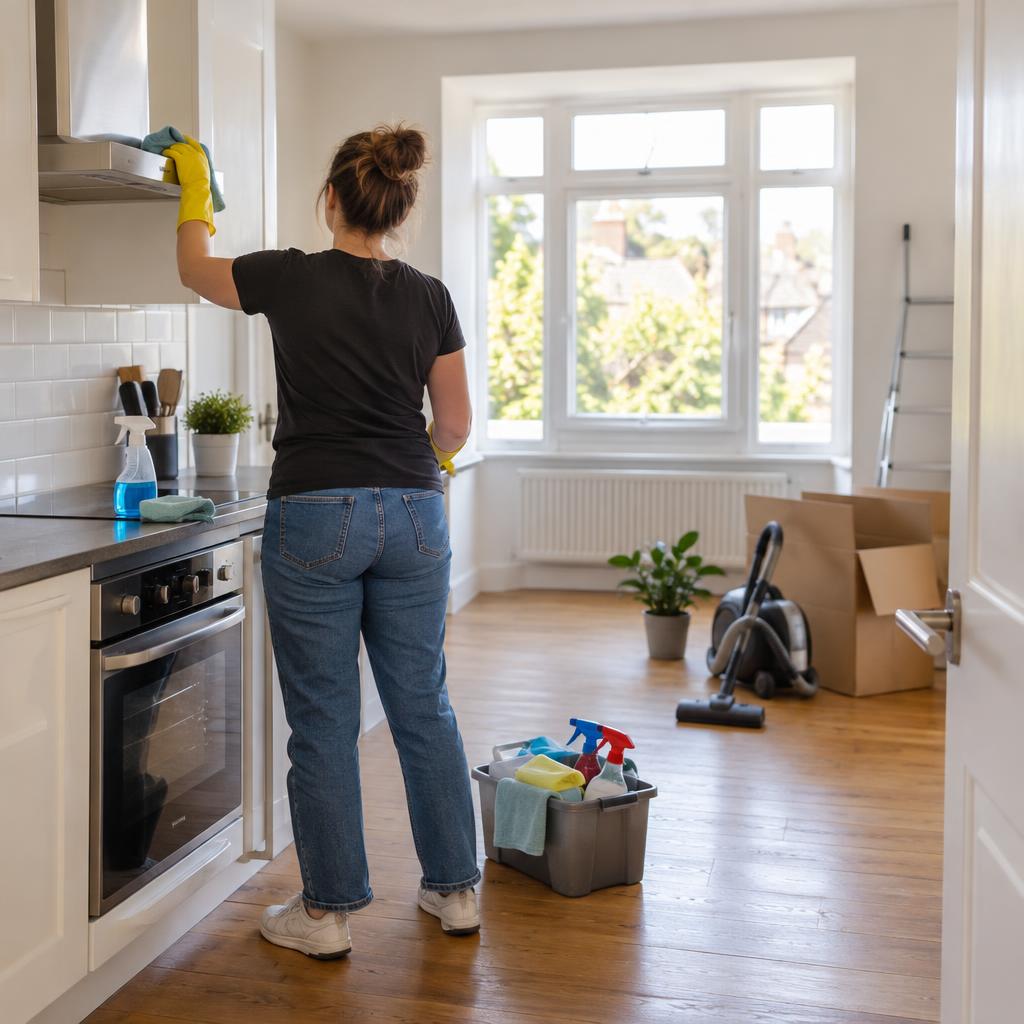
Plan your end of tenancy clean with realistic time allowances, a room-by-room checklist and advice on drying, checkout inspections and avoiding repeat work.
If you’re wondering how long does an end of tenancy clean take, allow anything from a few hours for a small, empty flat to a full day or longer for a larger or heavily soiled home. The biggest factors are the property’s condition, the number of cleaners and whether oven cleaning, carpet washing or other extras are included.
How many hours should you allow?
The following are practical planning estimates, not fixed completion times. They assume an empty property with water and electricity available, no repairs underway and cleaners bringing suitable equipment.
- Studio or one-bedroom flat: roughly 3–5 hours for a team of two.
- Two-bedroom home: roughly 4–6 hours for a team of two.
- Three-bedroom home: roughly 5–8 hours for a team of two.
- Larger home, several bathrooms or substantial grease and grime: a full day or more, potentially with a larger team.
A well-maintained property may take less time; a small flat with a neglected oven and heavily scaled bathroom may take considerably longer. Send photographs before booking rather than relying on bedroom count alone.
Check whether the quote describes elapsed time or labour-hours. Two cleaners working for four hours provide eight labour-hours, but occupy the property for around four hours. A quotation for “eight hours of cleaning” is ambiguous unless the team size is stated.
Cleaning alone usually means allowing substantially more time. For a whole home, reserve at least a full day and consider spreading the work across two days. Do not assume a professional team’s estimated duration will match your own.
What makes an end of tenancy clean take longer?
Condition matters more than floor area alone. A lightly used spare bedroom can be quick; removing layers of cooking grease from a small kitchen is slower.
Kitchens commonly become the bottleneck. Oven racks, extractor filters, cupboard interiors and grease around handles all need individual attention. Products may require contact time, although cleaners can tackle another area while they work.
Bathrooms take longer where there is limescale, soap residue or grime around taps and shower screens. Damaged sealant and deteriorating grout may need repair rather than repeated scrubbing.
Other important factors include:
- Furnishings and belongings that prevent access to surfaces.
- Pet hair caught around carpet edges and upholstery.
- Several bathrooms, shower enclosures or additional toilets.
- Numerous windows, blinds, shelves and fitted cupboards.
- Adhesive residue or marks that need careful treatment.
- Difficult parking, stairs or a long route for carrying equipment.
For a flat in Southampton, tell the cleaner about parking restrictions, lift access and the distance from the unloading point to your door. These details help them plan arrival and equipment handling.
Report mould, pest activity, needles or other hazardous contamination before booking. These may require specialist treatment rather than a routine tenancy clean.
What should be included in the cleaning time?
“End of tenancy clean” does not describe an identical service from every provider. Ask for a written checklist and compare it with the property’s check-in inventory.
A thorough service will commonly address:
- Kitchen worktops, sink, taps, cupboard interiors and exteriors, and accessible appliance surfaces.
- Bathroom fittings, screens, mirrors and washable surfaces.
- Skirting boards, doors, handles, switches and accessible shelving.
- Internal window glass, frames and sills where safely accessible.
- Vacuuming throughout and washing suitable hard floors.
- Final checks for dust, hair and residue around edges and corners.
Confirm oven interiors, extractor filters, fridge and freezer interiors, carpet extraction, upholstery and blinds separately. Some cleaners include certain items; others treat them as additional work.
Rubbish removal, washing walls, exterior windows and moving heavy appliances may be excluded. Do not assume cleaners will pull out an integrated appliance or move a heavy wardrobe.
Carpet cleaning adds both working time and drying time. Drying depends on the material, method, ventilation, temperature and amount of moisture remaining. Ask the provider for a realistic estimate and avoid arranging the checkout while carpets are still damp.
Not every mark is removable. Faded paint, worn carpet, scratched worktops and damaged sealant should be documented rather than treated with increasingly harsh chemicals.
How can you prepare and avoid delays?
The most effective way to shorten the appointment is to have the property genuinely ready. Cleaning around boxes usually creates repeat work once those boxes move.
Use this order:
- Confirm the tenancy end date, key-return deadline and checkout arrangements with the agent or landlord.
- Book removals before the main clean, allowing for delays.
- Finish any agreed repairs or decorating before cleaners arrive.
- Empty cupboards, wardrobes and appliances.
- Remove rubbish through an appropriate collection or disposal route.
- Keep water and electricity available throughout the appointment.
- Arrange entry, parking and someone contactable for questions.
- Leave time afterwards for drying, inspection and any missed areas.
If freezer cleaning is included, ask how far ahead it must be emptied and defrosted. Follow the appliance instructions, protect the floor from meltwater and never chip ice away with a sharp tool.
If cleaning yourself, work from higher surfaces downwards and finish with floors. Use products suitable for each material, follow their labels and ventilate the rooms. Never mix cleaning chemicals, particularly bleach with acidic descalers or ammonia-based products.
Do not disconnect a gas cooker to clean behind it. Gas work must be done by a Gas Safe registered engineer. Leave heavy or connected appliances in place unless safe access has been agreed.
How much time should you leave before checkout?
Where possible, arrange the clean at least a day before the checkout inspection, while you still have authorised access. This provides a buffer for drying, a late-running removal van or a cleaner returning to address an omission.
If everything must happen on the same day, book removals first, cleaning second and checkout last. Explain the deadline before accepting a quote. A team cannot reliably compensate for a late start by rushing detailed work.
Take clear, dated photographs after cleaning and before returning the keys. Include appliance interiors, bathrooms, floors and any existing damage. Keep the cleaning checklist and receipt, but remember that a receipt alone does not prove the property’s condition.
In England, a tenancy term cannot generally require a tenant to pay for a professional clean under the Tenant Fees Act. You can still be required to return the property as clean as it was at the start; fair wear and tear is a separate consideration.
If there is a dispute, compare the check-in and checkout evidence and use your tenancy deposit protection scheme’s dispute process where available. Check GOV.UK for current tenant-fee guidance.
When to call a professional
Book professional cleaners if you have a tight handover deadline, extensive grease or limescale, several bathrooms, or carpets needing specialist treatment. Give them honest photographs and ask about team size, inclusions, drying time and their policy for reporting missed areas.
Use specialists for hazardous contamination or significant mould. Work at height, including high exterior windows and roof access, needs a suitable professional; do not improvise with ladders during a rushed move.
Cost depends on size, condition, access, staffing and additional treatments, so compare written quotes for the same checklist rather than headline promises. Readers can compare local, reviewed businesses on Local Trades & Business Recommendations and request quotes for free.