
Plumbers
Who is responsible for blocked drains: tenant or landlord?
By Local Trades & Business Recommendations · Published
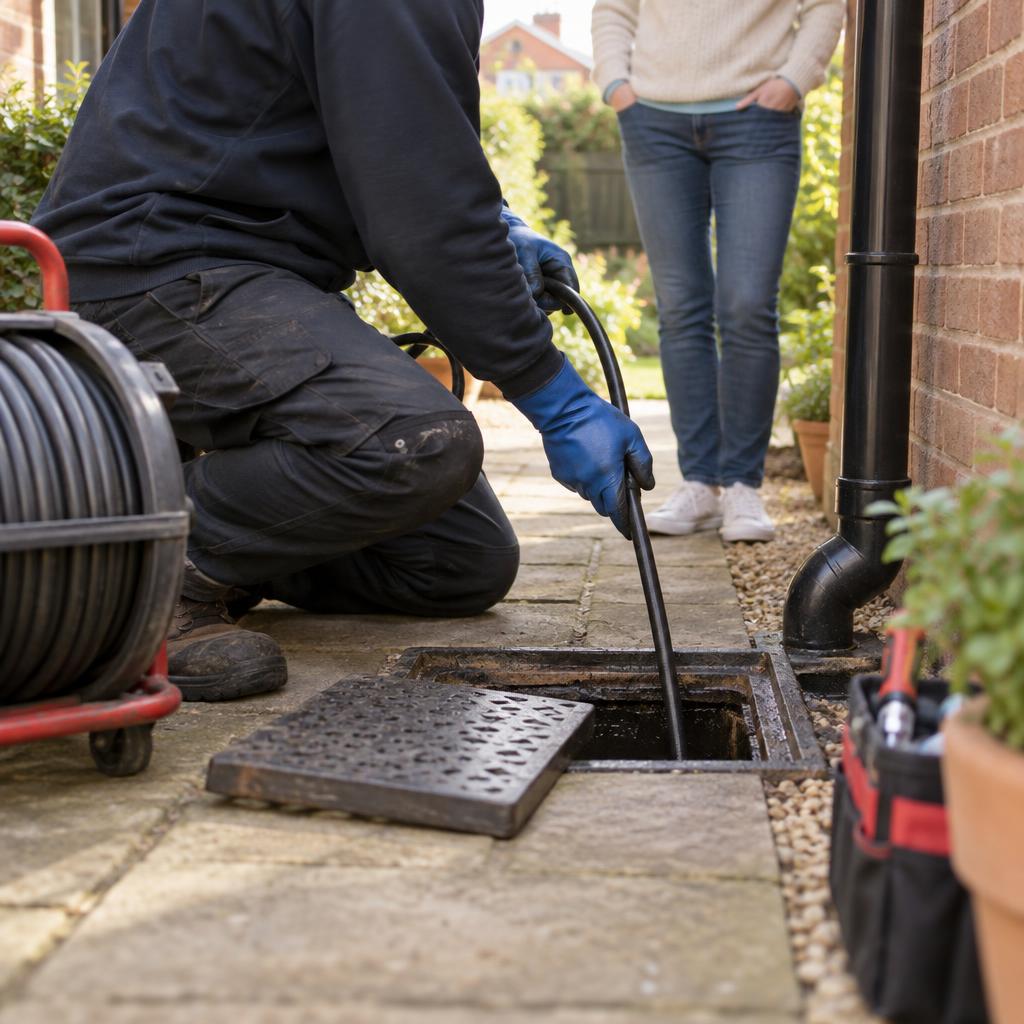
Find out who should arrange drain clearance, when a tenant may have to pay, and how to report a blockage, gather evidence and resolve a dispute in England.
Who is responsible for blocked drains: tenant or landlord? In England, landlords normally deal with defective drainage, tenants may be liable for blockages caused by their misuse, and the sewerage company may be responsible if the affected pipe is a public sewer.
The important distinction is between arranging urgent repairs and deciding who ultimately pays. A sewage backup should not be left untreated while everyone argues about responsibility. Here is how to work out who to contact, what evidence to collect and how to avoid an unfair bill.
When is a blocked drain the landlord’s responsibility?
For most residential tenancies in England, the landlord’s repairing duties include keeping drains and external pipes in repair, along with installations for sanitation, such as toilets, basins and sinks. A tenancy agreement cannot simply remove those statutory duties.
The landlord will normally be responsible where a blockage results from a repair defect, such as a collapsed pipe, a damaged joint or defective drainage serving the property. Roots entering through damaged pipework may also indicate a repair problem rather than tenant misuse.
Recurring blockages deserve particular attention. If a toilet backs up repeatedly despite appropriate use, clearing it each time may not address the underlying defect. The landlord should arrange suitable investigation rather than assume the tenant is causing it.
However, a blockage is not automatically evidence of disrepair. A simple obstruction caused by inappropriate items going down a sound pipe is different from a drain that cannot function because it is damaged.
Tenants should report problems promptly, even if they believe the landlord already knows about them. Once notified, the landlord generally needs a reasonable opportunity to investigate and carry out necessary repairs. What is reasonable depends on the urgency: sewage entering a home or the loss of its only usable toilet needs urgent attention.
When might the tenant have to pay?
Tenants are expected to use the property reasonably and take ordinary care of it. That includes avoiding disposal of cooking fat, wipes, sanitary products, nappies, cat litter and food waste through toilets or drains.
A tenant may be responsible for the reasonable cost of clearing a blockage caused by their misuse, or by someone they have allowed into the home. Removing accessible hair from a shower waste cover or emptying a removable sink strainer is also normally part of everyday care.
However, finding unsuitable material does not necessarily identify who put it there. Waste could have accumulated before the tenancy, come from another flat or collected because of an existing pipe defect. A blockage shortly after moving in should not automatically be charged to the new tenant.
A fair decision should consider:
- Where the blockage was found and which properties use that pipe.
- What material caused it, rather than simply what was present.
- Whether the pipe has structural damage or another defect.
- Whether the contractor can reasonably connect the cause to the tenant’s use.
- Whether there were previous drainage complaints.
Neither “the tenant was living there” nor “the agreement says tenants pay for all blockages” settles the issue. Ask for the contractor’s findings and an itemised invoice before agreeing to a disputed charge.
Could the sewerage company or building manager be responsible?
The pipe’s location matters as much as the cause. A drain serving just one property within its boundary is generally the property owner’s responsibility, subject to the landlord-and-tenant position above.
Many shared sewers and sections of pipe outside a property boundary are the sewerage company’s responsibility. There are exceptions, so do not assume that every underground pipe belongs to the landlord or that every shared drain is publicly maintained.
Contact the sewerage company if several neighbouring properties are affected, a shared drain is backing up, or the suspected blockage lies beyond the property boundary. It can help establish whether the affected pipe is part of its network. Your sewerage provider may be different from your drinking-water supplier.
In a rented flat, a blockage may be in a communal soil stack or another shared part of the building. Notify the landlord or letting agent, who may need to involve the freeholder or managing agent. Tenants should not be expected to organise unauthorised work on communal pipework.
For a property in Southampton, as elsewhere in England, check the sewerage details on the water bill rather than guessing which organisation is responsible. Homes with private drainage, such as a septic tank, require a separate assessment of the system and tenancy arrangements.
What should you do as soon as a drain blocks?
Prioritise stopping further overflow, then make a clear report. Do not keep flushing a slow toilet or run appliances connected to a drain that is backing up.
- Stop using the affected toilet, sink, shower or appliance.
- Keep children and pets away from sewage and contaminated surfaces.
- Photograph visible backup or damage without touching wastewater.
- Record when the problem began, which fittings are affected and whether it has happened before.
- Notify the landlord or agent immediately, using the emergency contact where appropriate.
- Follow up in writing and ask who will arrange attendance.
- If shared drainage appears affected, contact the sewerage company too.
You can remove visible debris from an accessible waste cover if it is safe, but do not dismantle communal pipework, open heavy inspection covers or enter any drain chamber. Do not pour chemical drain cleaner into standing sewage or mix cleaning products. Tell the attending contractor if any chemical product has already been used.
Avoid booking non-emergency work without the landlord’s agreement: reimbursement is not automatic. If there is an immediate health or property risk and nobody responds, document your attempts to contact them and seek urgent advice. Keep any authorised work limited to what is necessary.
How do you resolve a dispute over the bill?
Ask for evidence that separates the symptoms, the cause and the repair. “Blocked drain cleared” explains very little. A useful contractor’s report identifies the affected section, the obstruction, any damage found and whether further investigation is needed.
For recurring or unexplained problems, a drainage specialist may recommend a CCTV survey. This can help reveal damaged pipes or persistent obstructions, although it will not always prove who caused a blockage.
If you are charged, ask for:
- The contractor’s report and relevant photographs or footage.
- An itemised invoice.
- An explanation of why the landlord considers you responsible.
- Details of any previous problems with the same drain.
The cost depends on access, the blockage’s location, the clearance method, emergency attendance and whether excavation or repairs are necessary. For planned work, compare written quotes with the same scope rather than choosing on headline cost alone.
Do not withhold rent or deduct a plumber’s bill without specialist advice. If a landlord fails to address a serious drainage defect, use their complaints process and contact your local council’s private sector housing or environmental health team. Procedures vary, so check with your council and consult GOV.UK for current renting guidance.
If the dispute concerns a tenancy deposit deduction, use the relevant deposit protection scheme’s dispute process where available, supplying your reports, messages and photographs.
When to call a professional
Get urgent help for sewage entering the home, an overflowing drain, several fittings backing up together or a blocked only toilet. Contact the sewerage company where its network may be involved; otherwise, notify the landlord’s emergency contact and request a plumber or drainage specialist.
Looking for someone local? KJP Plumbing & Heating - Powerflush Specialists is listed in our plumbers directory.
Repeated blockages, suspected collapsed pipes and problems in communal stacks need professional investigation. Underground drainage repairs and chamber entry are not DIY jobs. Keep away from wastewater near electrical equipment and tell the emergency contact about the additional hazard.
Ask the contractor to record the cause, not just clear the obstruction. That evidence helps the landlord arrange a lasting repair and gives both parties a sound basis for deciding responsibility.
Landlords and tenants arranging authorised work can compare local, reviewed businesses on Local Trades & Business Recommendations and request quotes for free.